
19th NATO CAX Specialist Certification Course: International Training and Operational Realism
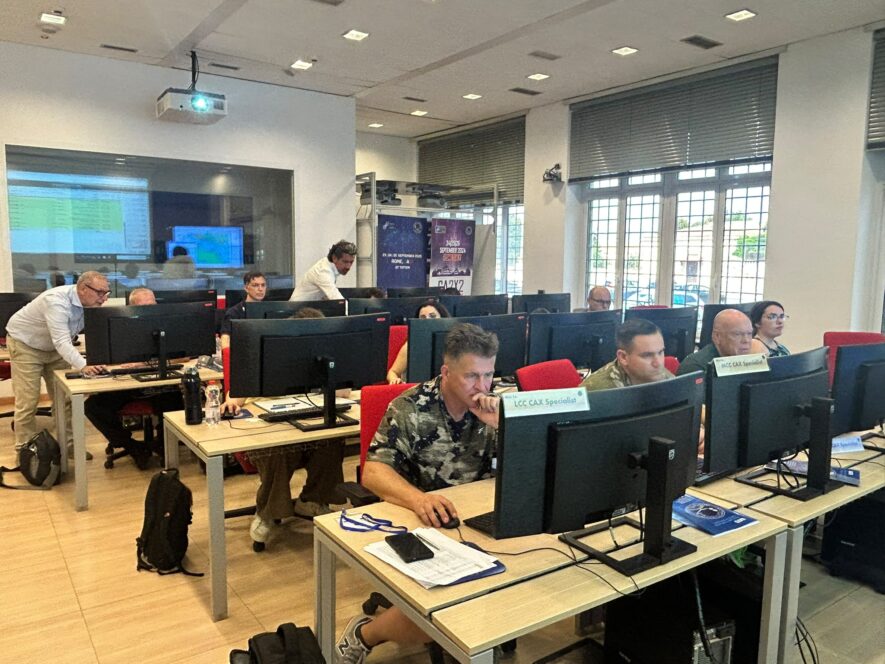
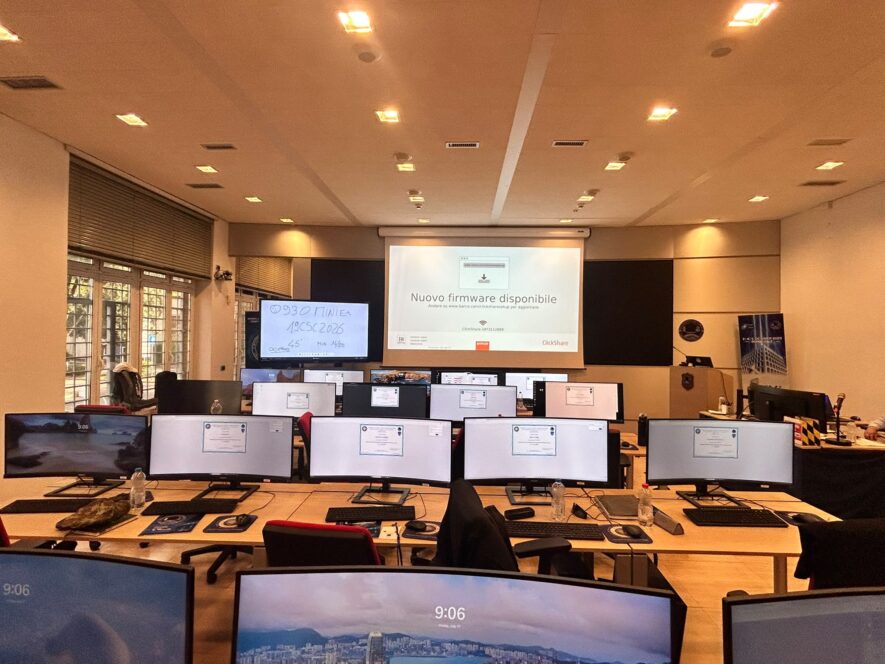
The 19th edition of the NATO CAX Specialist Certification Course was successfully conducted from 13 to 17 July 2026 at the NATO Modelling and Simulation Centre of Excellence (NATO M&S COE) in Rome.
The course was once again delivered in close cooperation with the NATO Joint Warfare Centre (JWC), whose expertise in the planning and execution of NATO exercises provided an essential contribution to the training.
For the first time, the course also benefited from the support of Business Integration Partners (BIP), which provided technical assistance for the simulation system, the training scenario and the exercise-support tools employed during the practical activities, including the Joint Exercise Management Module (JEMM).
Twelve international students from NATO entities, NATO nations and universities participated in this edition. Their different military, professional and academic backgrounds created a genuinely multinational environment and encouraged the exchange of knowledge, operational experience and working practices.
Throughout the week, the students demonstrated discipline, curiosity and strong interest in both CAX planning and the practical employment of the systems supporting NATO exercises. Their active participation made the course highly interactive, with continuous exchanges between students, instructors and supporting personnel.
One of the main themes of the course was the importance of integrating CAX planning into the wider NATO exercise planning process.
A Computer Assisted Exercise cannot be considered simply as the technical employment of a simulation system. Its effectiveness depends on the timely coordination of training objectives, operational requirements, scenario development, Response Cell activities, simulation capabilities, command-and-control systems and exercise-management tools.
CAX planning must therefore begin during the earliest stages of exercise planning. Technical architecture, personnel, simulation data and supporting systems must all be aligned with the scenario and the objectives established for the training audience.
The NATO Joint Warfare Centre’s contribution was particularly valuable in connecting the principles presented during the lessons with the procedures and challenges encountered in NATO’s Major Joint Operation exercises.
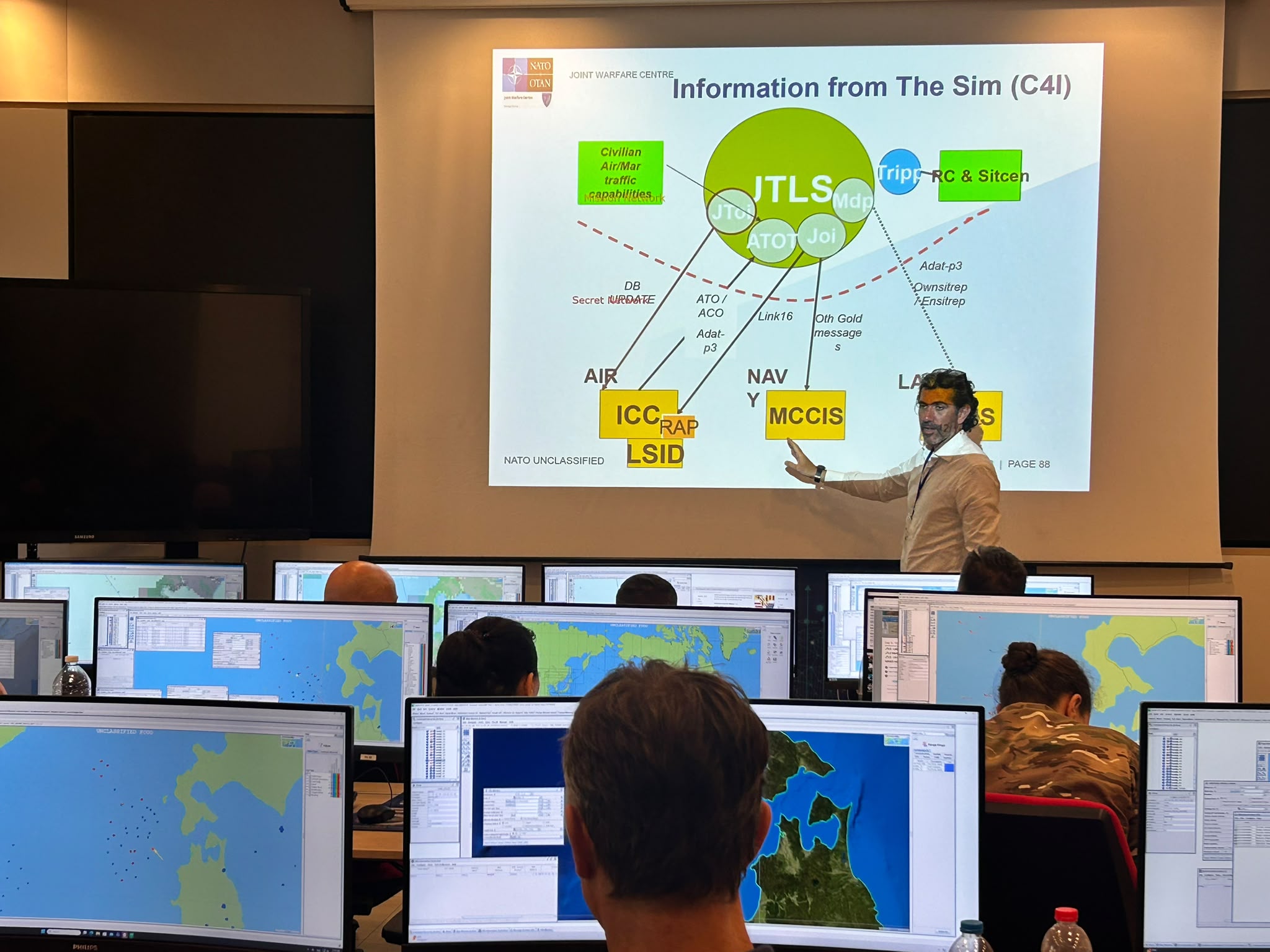
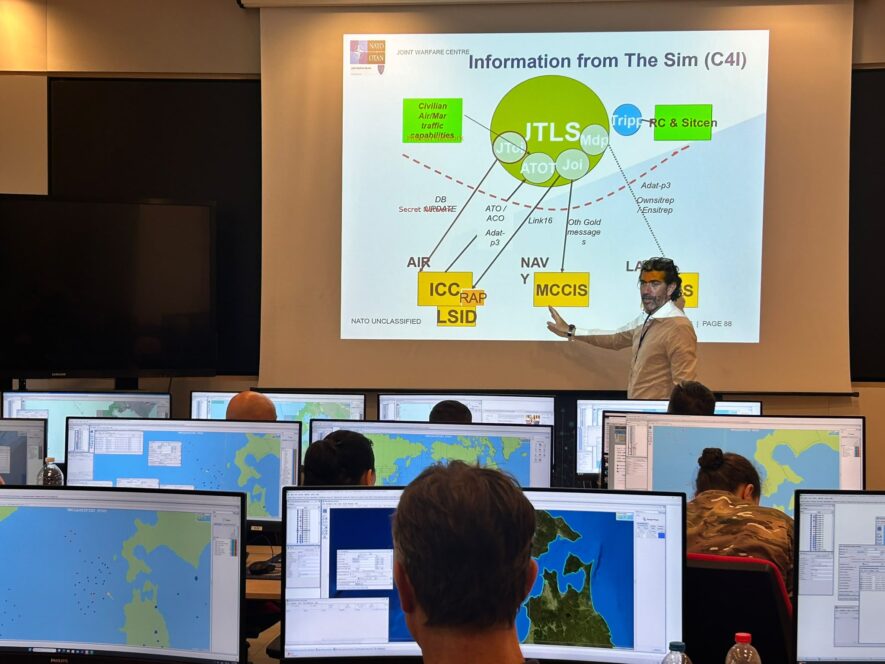
A significant part of the course was dedicated to the Joint Theater Level Simulation – Global Operations (JTLS-GO), which continues to be a principal constructive simulation system used by NATO to support Major Joint Operation exercises.
Through lessons and practical activities, the students explored how JTLS-GO represents a complex joint operational environment and supports the interaction between the training audience, Exercise Control and the different Response Cells.
The course highlighted that a simulation system does not operate in isolation. Its effectiveness depends on its integration with the exercise scenario, command-and-control capabilities, event-management tools and the personnel responsible for representing superior, subordinate, adjacent and opposing commands.
The programme was further enriched by the contribution of the Italian Army’s Simulation and Validation Centre, which delivered a demonstration of Virtual Battlespace 4 (VBS4). The demonstration allowed the students to observe the capabilities of a virtual simulation system and understand how different simulation technologies can support different levels and types of training.
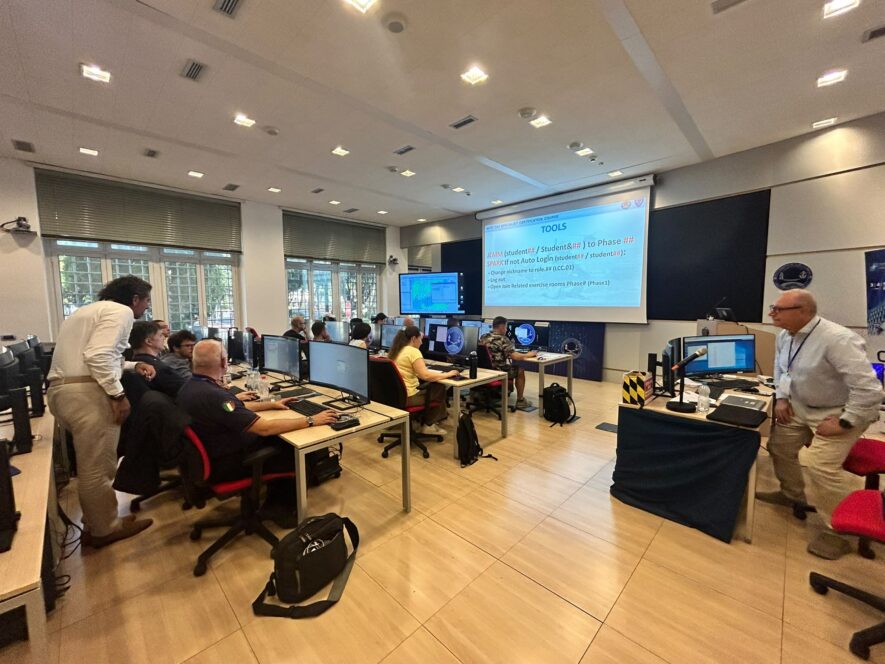
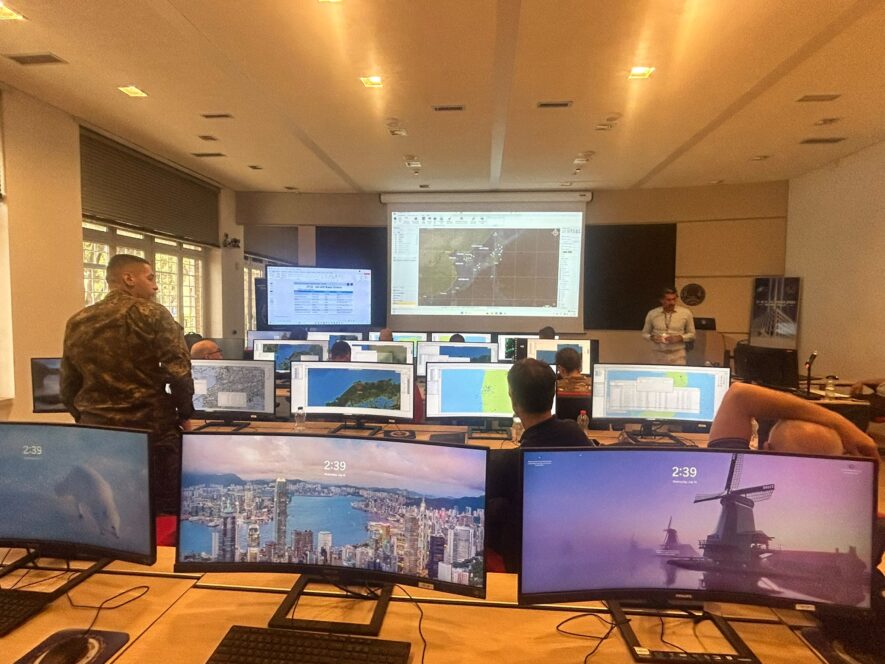
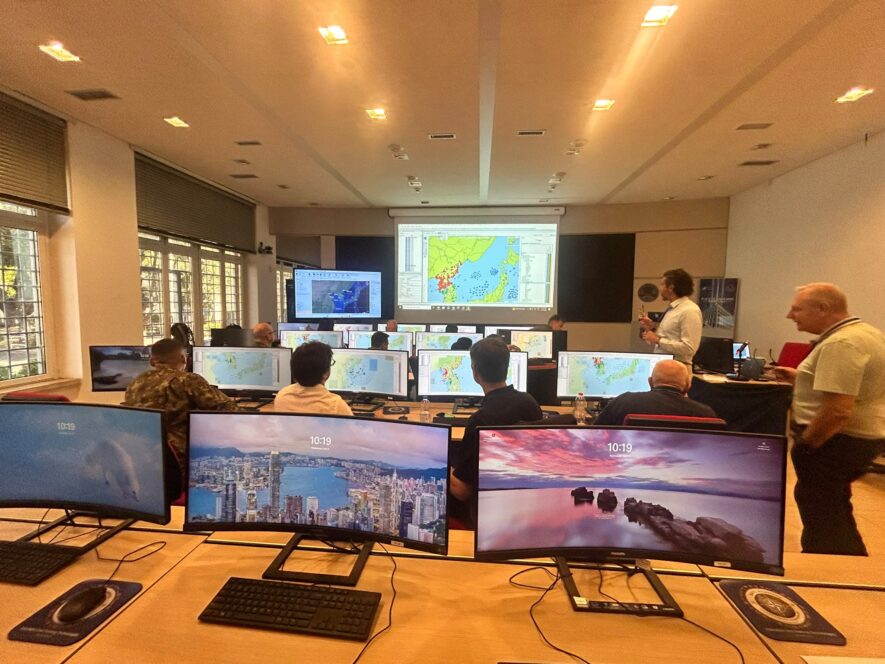
The mini-exercise represented the culmination of the course, allowing the students to apply the concepts and procedures addressed throughout the week.
Working within a deliberately limited but realistic training context, they experienced some of the responsibilities normally assigned to Response Cell personnel during NATO exercises. They interpreted operational developments, coordinated actions and contributed to maintaining a coherent simulated environment.
Despite its reduced scope, the activity exposed the students to the coordination requirements, working procedures and time pressure that characterise a NATO CAX environment. Their disciplined and collaborative approach enabled them to transform classroom knowledge into practical action.
The mini-exercise also incorporated NATO’s Integrated Command and Control (ICC) software to support the representation of the air component. Its employment added an important layer of operational realism, enabling students to interact with an air command-and-control capability used in NATO exercises.
The integrated use of JTLS-GO, JEMM, JChat and ICC created a coherent training architecture in which simulation, exercise management, communications and command-and-control capabilities supported one another. Students therefore interacted not only with a simulation system but with a more complete exercise environment in which developments had to be managed, communicated and translated into operational information.
The successful delivery of the course was made possible by the commitment of all the organisations involved. The NATO M&S COE staff planned, coordinated and conducted the training; the NATO Joint Warfare Centre contributed its extensive exercise expertise; the Italian Army’s Simulation and Validation Centre enriched the programme through the VBS4 demonstration; and BIP supported the technical operation of the simulation environment, scenario and tools.
Equal recognition belongs to the students, whose professionalism, discipline and active participation transformed the course into a dynamic and genuinely international learning experience.
The 19th edition once again confirmed the value of the NATO CAX Specialist Course in preparing personnel to operate effectively within the Response Cells of NATO exercises. As NATO training environments become increasingly complex, the ability to integrate exercise planning, simulation systems, C4I capabilities and exercise-management tools remains essential to the Alliance’s readiness.
Written by Cdr Dino D. Tropea, NATO M&S COE
For further details and information:
M&S Courses and Training Activities
+++++++++++++
The NATO Modelling & Simulation Centre of Excellence is dedicated to the promotion of Modelling & Simulation in support of operational requirements, training and interoperability. The Centre act as a catalyst for transformation through the involvement of NATO, governments, academia, industry, operational and training entities, by improving the networking of NATO and nationally owned Modelling & Simulation systems, the cooperation between Nations and organizations through the sharing of Modelling & Simulation information and developments and serving as an international source of expertise for transformation in the related domain. https://www.mscoe.org
NATO Centres of Excellence are nationally or multi-nationally funded institutions accredited by NATO. They train and educate leaders and specialists from NATO member and partner countries, assist in doctrine development, identify lessons learned, improve interoperability and capabilities, and test and validate concepts through experimentation. They offer recognized expertise and experience that is of benefit to the Alliance and support the transformation of NATO, while avoiding the duplication of assets, resources and capabilities already present within the NATO command structure. Although not part of the NATO command structure, they are part of a wider framework supporting NATO Command Arrangements. [source https://www.act.nato.int/centres-of-excellence]
 NATO
NATO